E-Liquid Allergies Explained
UK-Made e-liquid is widely considered the safest in the world, with plenty of rules and regs in place to ensure products are consistently high-quality and safe for you to enjoy.
Despite this, certain e-liquid ingredients can still cause allergic reactions, so it is really important to know what potential allergens they may contain before you start vaping to ensure you stay safe.
In this guide, we will explain the main types of allergens found in e-liquids, how they might affect you, and where you can find crucial allergen information to ensure you have the knowledge to vape safely.
Can You Be Allergic To E-Liquid?
Yes, it is certainly possible to be allergic to e-liquid. It is important to remember that severe reactions are very rare, but milder symptoms can present themselves if you are sensitive to one of the ingredients used in an e-liquid's recipe.
These ingredients are called "sensitisers", and while manufacturers like ourselves take every possible step to minimise the use of ingredients that can trigger reactions, it is almost impossible to avoid them altogether.
The most common e-liquid allergens are typically found in flavourings, which can vary between different products. However, it is also possible to be sensitive to core ingredients like Propylene Glycol (PG), Vegetable Glycerol (VG), and even nicotine.
If you are aware of any allergies that may be triggered by vaping, take extra care to check product information online or on packaging, where any potential allergens must be disclosed by law.
If you are unsure about whether you may be allergic to e-liquid, consult your GP before starting to ensure it is safe to vape, or to at least gain the knowledge to help you avoid certain products that may contain something you are sensitive to.
If you have started vaping and are experiencing any irritation or other reactions, however mild, stop immediately and speak to your GP as soon as possible. If you ever experience a more severe reaction while vaping, seek immediate medical assistance do not continue vaping under any circumstances.
Common Signs Of An Allergic Reaction To E-Liquid
Below, we will explore the most common signs that you may be allergic to e-liquid. If you experience any of the following issues while vaping, it is likely that you are sensitive to something in your chosen e-liquid. If the product's ingredients list or safety information doesn't immediately reveal something you know you are allergic to, you should speak to your GP as soon as possible.
Regardless of the severity of the reaction, if you experience one or a combination of the following issues while vaping you must stop immediately and seek medical advice.
Please Note:
Symptoms may not always present immediately after vaping, and may take time before they are obvious, so take care to monitor any changes in your health throughout your vaping journey, not just when you start.
If you were already experiencing any of these issues before starting vaping, there is likely a pre-existing condition. If this applies to you, we highly recommend consulting your GP before vaping, as using e-liquid may worsen the condition.

Oral Reactions
Common oral (mouth) reactions to vaping include:
- dry mouth
- cracked lips
- ulcers or sores
- loss of taste
- aching/bleeding gums

Respiratory Reactions
Common respiratory reactions to vaping include:
- coughing
- wheezing
- sore throat
- shortness of breath
- chest pain

Skin Reactions
Common skin (dermal) reactions to vaping include:
- redness
- itching
- blotches/blisters
- dryness/cracking (lesions)
- hives

Digestive Reactions
Common digestive reactions to vaping include:
- stomach pain
- cramps
- nausea
- general malaise
- vomiting
What E-Liquid Ingredients Cause Allergic Reactions?
It is technically possible to be sensitive to any of the main ingredients used in an e-liquid, be it PG, VG, nicotine or flavourings. Thankfully, the reality is that reactions, even milder ones, are very rare. Only an incredibly small number of our 300,000+ customers have ever reported an allergic reaction to our e-liquids in over a decade, and there are several government reports exploring the topic which highlight the scarcity of bad reactions.
At a glance:
- Flavourings are the most common source of allergens/sensitisers in e-liquid as they contain lots of small amounts of different chemicals, some of which can trigger reactions. E-liquid flavourings that contain sensitisers will always have them listed in the ingredients on the bottle's packaging.
- While extremely rare, PG and, to a lesser extent, VG can both cause similar reactions if you happen to be sensitive to them. These reactions are typically dry mouth or irritation of the mouth/nose.
- It is rare but not unheard of for people to have varying sensitivities to nicotine, which is present in most e-liquids. It is important to remember that feeling nauseous or dizzy while vaping with nicotine is not necessarily an allergic reaction; it is more common to experience this simply because you are using a nicotine strength that is too high for your needs.
Nicotine Allergies
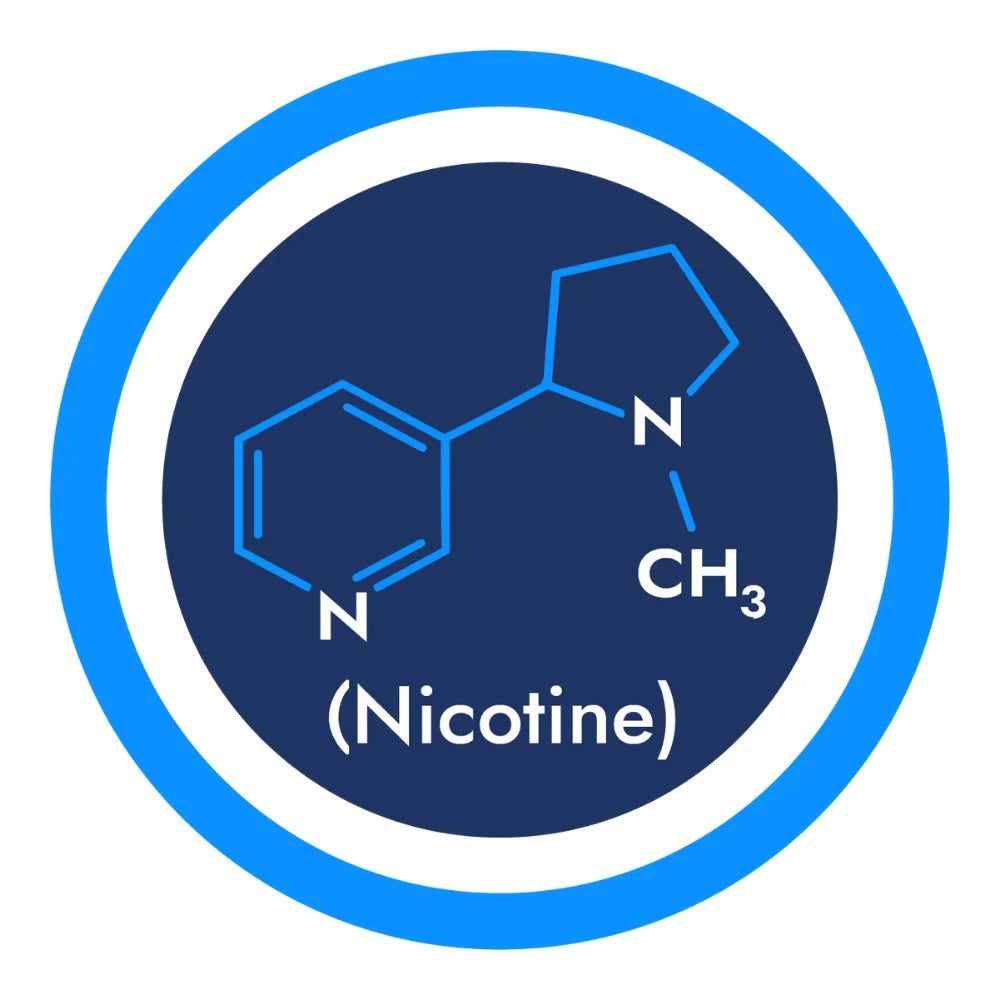
- Nicotine allergies are very rare amongst vapers, owing largely to the fact that most were former smokers, meaning they would likely have stopped smoking and never started vaping if they suffered bad reactions to nicotine.
- The most common reactions to nicotine include nausea and similar digestive issues, dizziness and skin rashes.
- It can be hard to tell if you are actually allergic to nicotine, because many of the same symptoms can present themselves if you are simply using an e-liquid with more nicotine content than you need. In this case, the issue is likely nicotine overdose rather than an allergy.
- Skin reactions are the best evidence that you are actually allergic to nicotine rather than overconsuming.
- If you have previously smoked and had no reaction to nicotine, but are feeling sick or dizzy while vaping, it is likely that reducing the strength of your e-liquid will remedy the situation.
- In any case, if you are regularly experiencing any kind of reaction while consuming nicotine, the best course of action is to stop immediately and consult your GP before deciding how to proceed.

Vape Flavouring Allergies
- Vape flavours are made up of varying combinations of different chemical compounds, both natural and synthetic. Some of these compounds are sensitisers, and in rare cases can trigger varying reactions when consumed.
- While we take every step possible to avoid using sensitisers in our vape flavours, some are impossible to avoid in order to create the ideal taste profile.
- When we submit products to the MHRA for approval, we include a full breakdown of every individual ingredient in a flavouring, along with its concentration. If present above certain thresholds, we must then disclose the sensitiser in the ingredients list to ensure you can avoid anything you may be allergic to.
- An example of the above would be our best-selling Double Menthol vape juice, which contains three ingredients in its flavourings that may cause a reaction. Its ingredients will read: "Vegetable Glycerol, Propylene Glycol, Double Menthol Flavour (Contains Cornmint Oil, L-Carvone, Peppermint Oil. May produce an allergic reaction), Nicotine.
- Using the example above, if you were sensitive to Cornmint Oil, L-Carvone, or Peppermint Oil, then you should avoid vaping this flavour. If you started using this product and experienced a reaction, you can take this information to your GP to help them understand which of these sensitisers may be causing the issue.
- There are far too many potential sensitisers in flavourings to list in this blog. The most practical way to avoid the risk of allergic reaction is to check individual product ingredients (as above) before you buy. There are also plenty of e-liquids available that do not contain flavour sensitisers.
PG Allergies
- PG, much like nicotine, can trigger reactions when vaped, however these are not always genuine allergies.
- In many cases, vapers report an initial period of dry mouth or mild throat irritation when first starting out vaping, with symptoms dissapearing after around a month, once the body has acclimatised to consuming e-liquid.
- These cases are considered temporary side-effects of vaping, rather than true allergic reactions. The best way to confirm a PG allergy is by asking your GP to perform a patch test.
- The most common symptoms of PG sensitivity are mouth/throat dryness or irritation, as well as dermal reactions like rashes or dermatitis. The latter dermal reactions tend to present after direct skin contact with e-liquid.
- PG is found in many consumer items from foods to medicines, so it is likely that you would be aware of any sensitivity before you start vaping. If you do notice an adverse reaction after starting vaping, stop immediately and speak to your GP.
- If your GP confirms you are not allergic to PG, or any other sensitisers in your chosen e-liquid, your symptoms will likely subside over time as your body adjusts to vaping. Despite this, you must never ignore any negative reaction to vaping, however mild, and immediately seek medical advice.

Am I Allergic To Vaping, Or Just Vaping Too Much?
It's not always easy to know if you are allergic to something in your e-liquid.
Using a nicotine strength that is higher than your body needs or is used to, for example, can lead to nicotine overdose, which triggers many of the same symptoms of a genuine allergy.
This is also true of over-vaping (vaping too regularly) in general, which can lead to nausea, headaches, and mouth/throat irritation to varying degrees of intensity, albeit temporarily.
If you experience an adverse reaction while vaping, even if it is very mild, the best course of action is to stop immediately and speak to your GP. They can perform various tests to confirm any potential sensitivities to e-liquid ingredients, which can help you determine if there are safer products to use or if you should stop vaping altogether.
In most cases, when our customers have reported negative effects from using our e-liquids, changing product types, nicotine strengths, or simply reducing their vaping frequency has been enough to resolve things. Despite this, you should always notify your GP of any issues you experience.

What To Do If You Suspect You Are Allergic To Vaping
If you suspect you may be allergic to, or have any concerns regarding the safety of your your e-liquid after having a potential reaction, you should follow these steps:
- Stop vaping immediately. If your reaction is severe, seek immediate medical attention.
- Check product ingredients to identify any potential sensitisers - they are found on product packaging and online at our store.
- Contact your GP - explain your situation, providing as much information as you can about the products you have used and the reaction you suspect they have caused.
- Contact us - our customer care team are available via phone, email and live chat from 8:30am to 4:30pm Mon-Fri.
- Request detailed information about the products in question - we can provide full technical and safety information (MSDS) for any of our products on request, to help you and your GP find the best solution to your issues and identify any allergies you may have.