Why Do I Feel Sick After Vaping?
Quick Answer:
Feeling sick after vaping is usually caused by too much nicotine, vaping too frequently, or dehydration.
Common symptoms include nausea, dizziness, headaches, coughing, and throat irritation. Lowering your nicotine strength, vaping less often, and staying hydrated will usually help.
Feeling sick after vaping is more common than you might think. Whether you’re new to vaping or have been using e-cigarettes for years, nausea and other unpleasant symptoms can sometimes occur.
In this guide, we’ll explain the main reasons why vaping might make you feel sick, what you can do about it, and when to seek medical advice.
⚠️ Important: If you feel unwell before or after vaping, stop immediately and speak to your GP or healthcare provider. Only a medical professional can diagnose and treat your symptoms.
-
Table of Contents
- Test Link
Common Vape Sickness Symptoms and Possible Causes
Use this quick guide to understand what may be causing common symptoms after vaping and what you can try first.
| Symptom | Possible cause | What to try |
|---|---|---|
| Nausea | Too much nicotine or chain vaping | Lower your nicotine strength and take longer breaks between puffs. |
| Dizziness | Nicotine overload | Stop vaping temporarily, drink water, and reduce your nicotine intake. |
| Headache | Dehydration or nicotine strength being too high | Stay hydrated and consider using a lower nicotine strength. |
| Throat irritation | Burnt coil, PG sensitivity, or harsh inhale | Check your coil, adjust your inhale style, or try a different e-liquid. |
| Coughing | Coil issue, inhale style, or e-liquid irritation | Check your device, replace old coils, and avoid taking overly strong puffs. |
Allergic Reactions to E-Liquid Ingredients
One of the first things to check when you feel unwell after vaping is the ingredients in your e-liquid. Some vape juices contain allergens that may cause mild to severe reactions.
At LiQuid, for example, every effort is made to minimise potential allergens in our e-liquids. However, certain flavour profiles can’t exist without specific compounds that may trigger sensitivities.
If you’re allergic to certain ingredients, check your e-liquid label carefully. Common allergens are usually listed in bold and marked as sensitisers.
What to Do:
- Review the ingredient list on your vape juice packaging.
- Avoid flavours that contain known allergens.
- If your allergy is undiagnosed, consult your GP for allergy testing.
Even a minor allergic reaction can cause nausea, headaches, or throat irritation after vaping. High VG (vegetable glycerin) e-liquids, for example, often contain higher concentrations of flavouring, which could increase your exposure to certain allergens.
Burnt or Damaged Vape Coils & Pods
A burnt coil or pod is another common reason you might feel ill after vaping. Vape Coils have a limited lifespan, and when they degrade, they can produce a burnt taste and contaminate the e-liquid.
When a coil burns, it’s not just e-liquid you’re inhaling - you’re also breathing in smoke from the burnt wicking material, which can irritate your lungs and stomach.
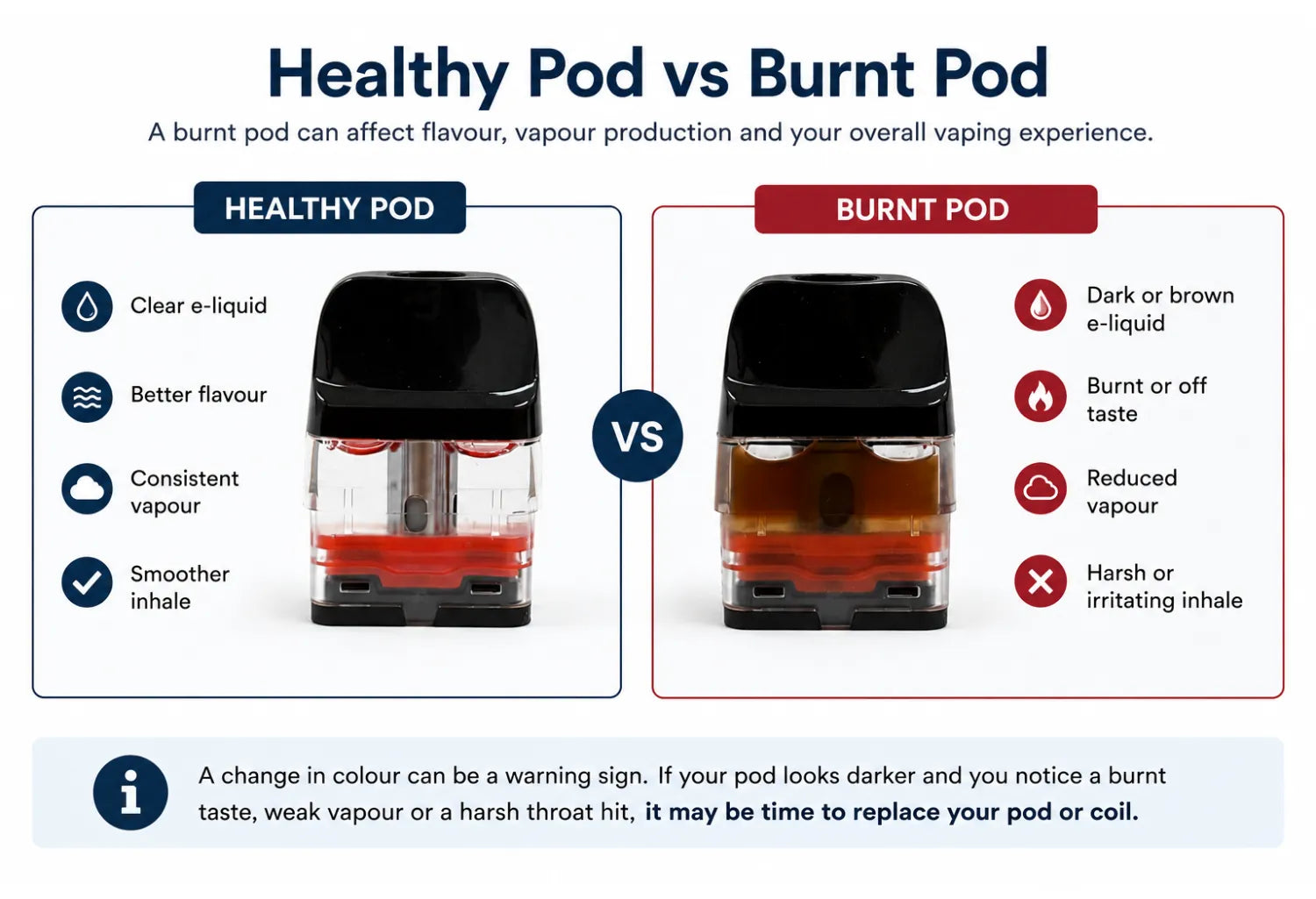
What are the warning Signs of a Bad Coil?
A harsh, burnt taste when you inhale
This is usually caused by the coil overheating or the wick becoming burnt due to low e-liquid levels or repeated vaping without enough time for the coil to re-saturate.
Brown or discoloured e-liquid
Darkened e-liquid can indicate residue buildup inside the coil, which affects flavour quality and often means the coil is nearing the end of its lifespan.
A sudden change in flavour or vapour quality
A worn-out coil can reduce flavour accuracy and vapour production, making your vape feel weaker or taste unusual compared to normal.
Reduced vapour production or weak throat hit
If your vape produces thinner clouds or feels less satisfying, the coil may no longer be heating the e-liquid efficiently.
What to do if you think you have a bad coil
Replace your coil or pod regularly
Most vape coils/pods last between 1–2 weeks, depending on how often you vape and the type of e-liquid you use. Replacing coils or pods regularly helps maintain flavour quality and prevents burnt tastes.
Replace prefilled pods when needed
For vape devices that use prefilled pods, replace the entire pod once it is nearly empty or if the flavour drops and vapour weakens, which will help prevent burnt hits.
Clean and inspect your vape tank regularly
Residue buildup, cracks, or trapped debris inside the tank can affect vapour quality and coil performance. Cleaning your device regularly helps extend coil lifespan and improve flavour consistency.
Prime new coils before vaping
Adding a few drops of e-liquid directly onto the coil cotton and letting it soak for 5–10 minutes helps prevent dry hits and burning when using a new coil for the first time.
Keeping your vape device clean and your coil fresh will help ensure you’re only inhaling vapour — not burnt residue.
Nicotine Overdose or “Nicotine Sickness”
Feeling dizzy, nauseous, or lightheaded after vaping?
You may be experiencing nicotine sickness, also known as nicotine overdose. This happens when your body absorbs more nicotine than it can comfortably handle. Nicotine is both a stimulant and a toxin, meaning it affects your brain, heart, and nervous system in noticeable ways.
When you vape too much or use an e-liquid with a high nicotine strength, your body can quickly become overwhelmed. Each puff delivers nicotine into your bloodstream, increasing your heart rate and releasing adrenaline — giving you that short-lived “buzz.” However, if you take in more nicotine than your system is used to, those stimulating effects can turn unpleasant.
In short, nicotine overdose from vaping isn’t usually dangerous when caught early, but it’s your body’s way of telling you to slow down, take a break, and reassess your nicotine strength or vaping habits.
Common Symptoms of Nicotine Sickness:
Nausea or vomiting – One of the first signs of too much nicotine is feeling queasy or physically sick. This happens because nicotine stimulates your stomach and digestive system, leading to discomfort or an upset stomach.
Dizziness and headaches – High levels of nicotine can reduce oxygen flow in the blood, which may cause light-headedness, blurred vision, or a throbbing headache. You might also feel disoriented or unsteady after a few puffs.
Rapid heartbeat – Nicotine is a stimulant that temporarily raises your heart rate and blood pressure. If you notice your pulse racing or feel heart palpitations after vaping, it’s a strong indicator that you’ve had too much.
Sweating or shaking – Excess nicotine can overstimulate your nervous system, causing your body to react as if it’s under stress. This often results in cold sweats, trembling hands, or a jittery feeling.
How to Prevent Nicotine Overload
- Lower your nicotine strength.
If you’re currently using an 18mg e-liquid and often feel sick or dizzy after vaping, it could mean your nicotine level is too high for your tolerance. Try stepping down to a 12mg or even a 6mg strength. This gradual reduction allows your body to adjust while still satisfying cravings. Many vapers find that lowering nicotine levels not only reduces nausea but also improves overall enjoyment and flavour.
- Take shorter puffs and avoid chain vaping.
Unlike smoking, where a cigarette naturally ends, vaping devices can deliver continuous nicotine with every puff. Chain vaping (taking hit after hit without breaks) can easily lead to nicotine build-up, especially with high-powered or sub-ohm devices. Take shorter, slower puffs and give yourself time between draws — this helps your body absorb nicotine at a steadier, safer rate.
- Listen to your body — if you start feeling lightheaded, stop and take a break.
Your body gives clear signals when it’s had too much nicotine. Light-headedness, nausea, or a racing heart are warning signs to pause. Step away from your vape, drink some water, and give yourself time to recover. It’s always better to take a break than push through discomfort, as doing so can worsen symptoms.
- Finding the right nicotine strength takes time and patience.
Every vaper’s nicotine tolerance is different, depending on factors like how often you vape, the device you use, and your previous smoking habits. Start on the lower end of the scale and increase only if necessary — never the other way around. Over time, your cravings may naturally decrease, allowing you to comfortably lower your nicotine intake further.
When to See a Doctor
If your symptoms persist even after switching e-liquids, changing coils, and lowering nicotine strength, it’s best to seek medical advice. You could be dealing with:
- A hidden allergy
- An underlying health issue
- Sensitivity to propylene glycol (PG) or other vape ingredients
Your GP can help identify the root cause and suggest the safest way to continue (or stop) vaping.
Final Thoughts
Feeling sick after vaping is usually caused by issues such as using too much nicotine, vaping too frequently, dehydration, or using a burnt coil. In many cases, simple changes like lowering your nicotine strength, taking longer breaks between puffs, staying hydrated, and replacing old coils can quickly improve your symptoms.
If you regularly feel dizzy, nauseous, develop headaches, or experience throat irritation after vaping, it’s important to pay attention to how your body reacts. Choosing the right vape setup and nicotine level can make vaping far more comfortable and reduce the risk of nicotine overload or irritation.
If your symptoms become severe, continue for an extended period, or you experience chest pain, breathing difficulties, or ongoing sickness, stop vaping and speak to a healthcare professional for proper medical advice.
Frequently Asked Questions
Can vaping make you feel dizzy?
Yes. Dizziness after vaping is commonly caused by consuming too much nicotine, especially if you are using high-strength nicotine salts or vaping frequently in a short period of time.
Can nicotine salts make you feel sick?
Nicotine salts can cause nausea, headaches, dizziness, or throat irritation if the nicotine strength is too high for your tolerance level. Reducing your nicotine strength can often help.
Why does vaping sometimes make me feel nauseous?
Feeling nauseous after vaping is usually linked to nicotine overload, dehydration, chain vaping, or sensitivity to certain e-liquid ingredients such as PG (propylene glycol).
Can a burnt vape coil make you feel unwell?
Yes. A burnt or damaged coil can produce harsh vapour and an unpleasant burnt taste, which may irritate your throat and make vaping uncomfortable.
How long does nicotine sickness last?
Mild nicotine sickness symptoms often improve within a few minutes to a few hours once you stop vaping, drink water, and allow your body time to recover.
Can dehydration from vaping cause headaches?
Yes. Vaping can contribute to dehydration, particularly if you vape frequently without drinking enough fluids. Dehydration can lead to headaches, dry mouth, dizziness, and fatigue.
Should I stop vaping if I feel sick?
If you feel unwell while vaping, stop vaping temporarily and monitor your symptoms. If symptoms are severe, continue for a long time, or include chest pain or breathing difficulties, seek medical advice immediately.
How can I prevent feeling sick after vaping?
You can usually reduce symptoms by lowering your nicotine strength, vaping less frequently, staying hydrated, avoiding chain vaping, and regularly replacing old vape coils or pods.
Related Guides
Explore more vaping advice, troubleshooting tips, and nicotine guides to help you improve your vaping experience and avoid common vape-related issues.




Recommended Products
If you regularly feel sick after vaping, choosing the right nicotine strength, replacing old coils, and using the correct vape setup can make a big difference. Here are some recommended products that may help improve your vaping experience and reduce common issues such as harsh throat hits, burnt tastes, or nicotine overload.
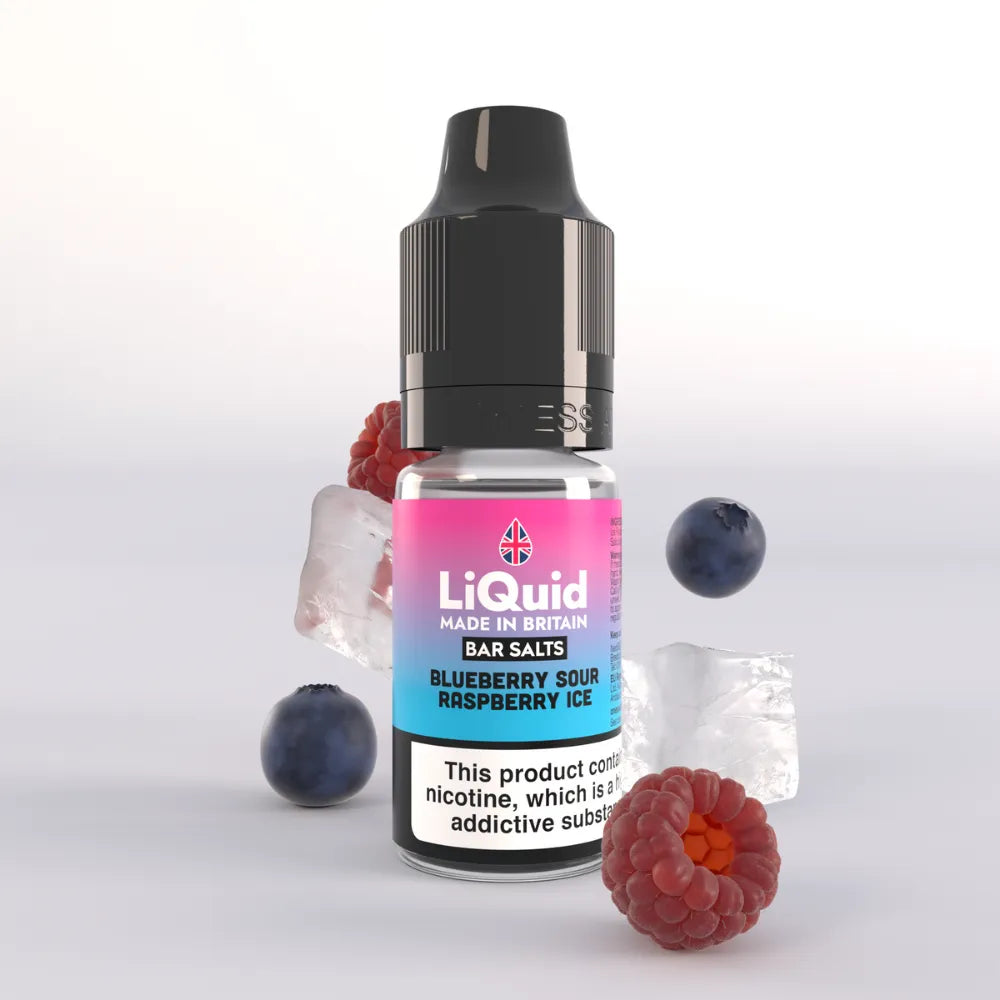
Blueberry Sour Raspberry Ice - Nicotine Salt Vape Juice
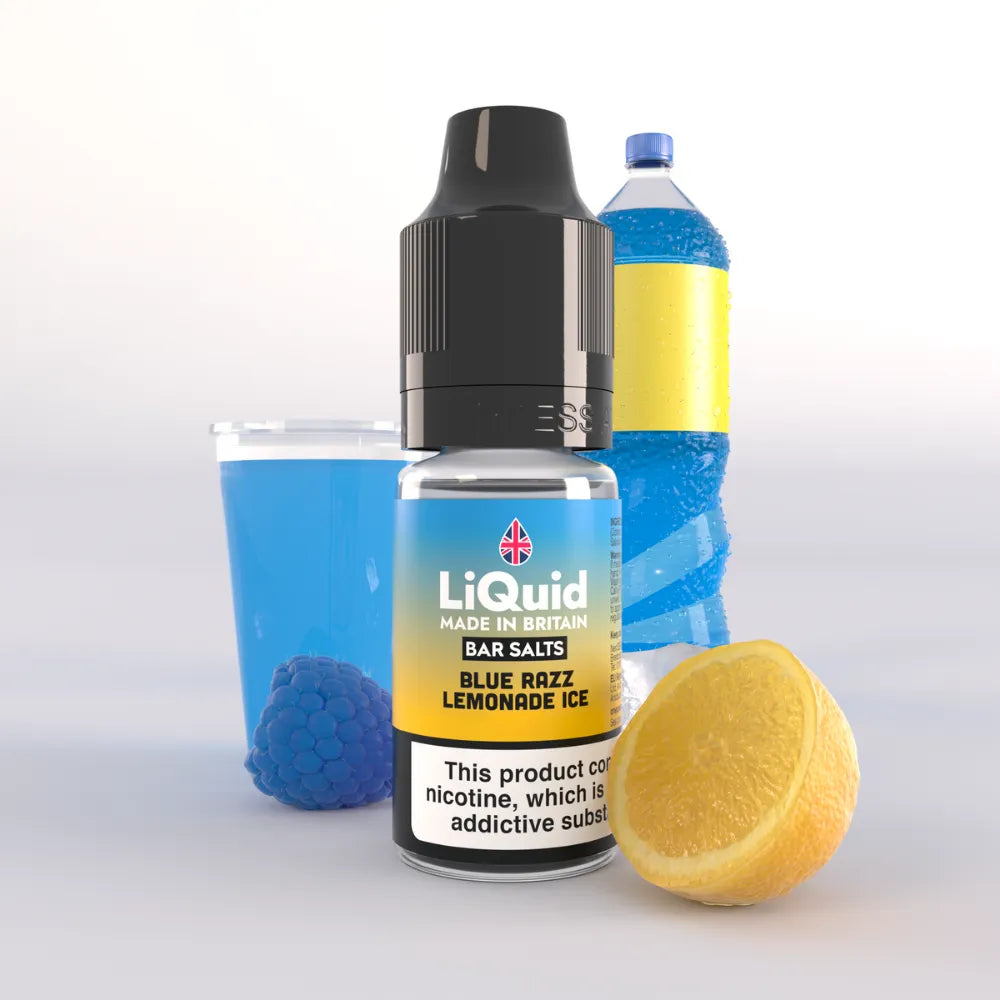
Blue Razz Lemonade Ice - Nicotine Salt Vape Juice
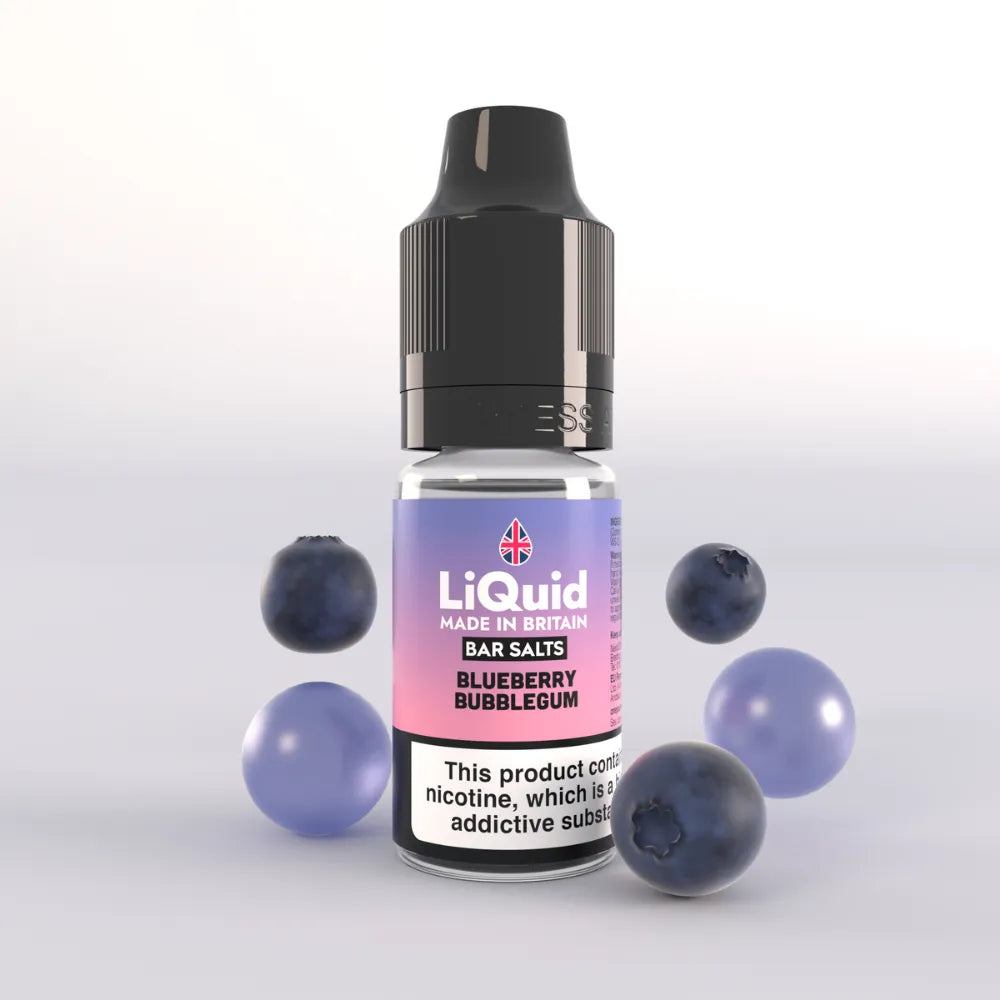
Blueberry Bubblegum - Nicotine Salt Vape Juice
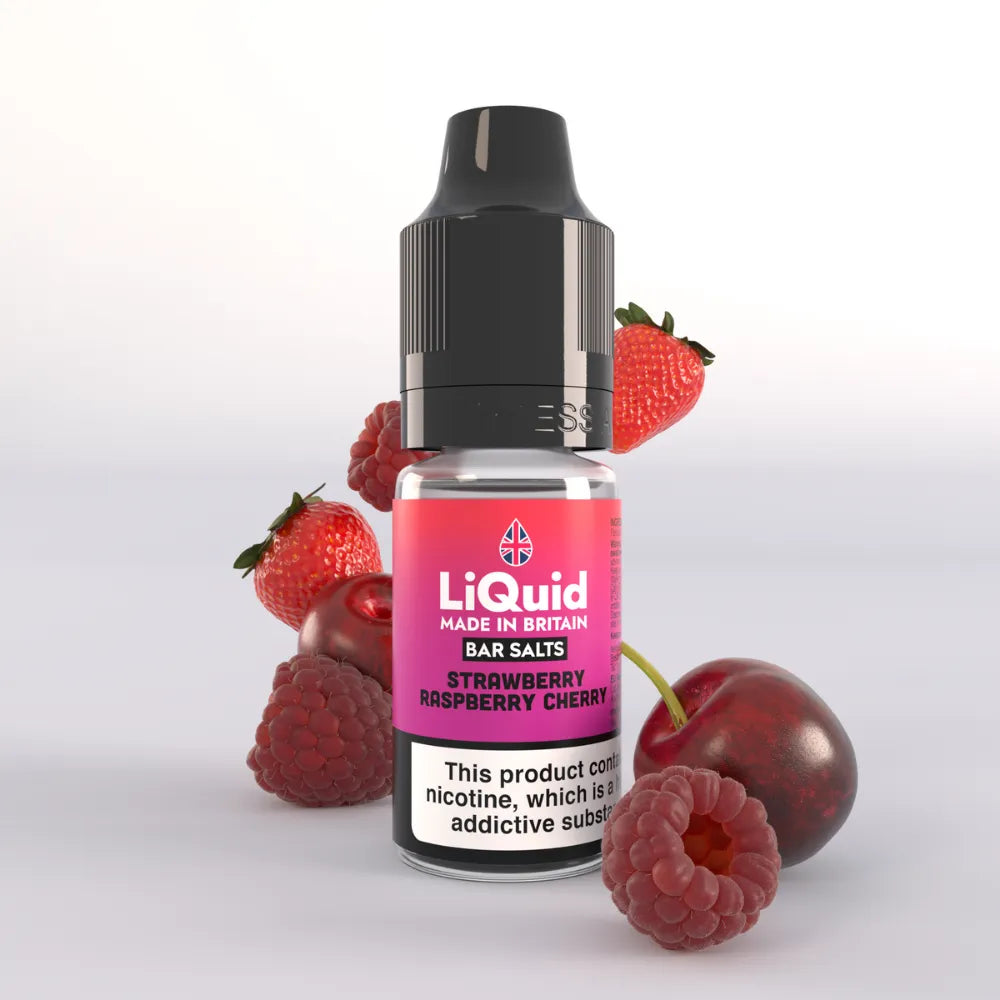
Strawberry, Raspberry & Cherry - Nicotine Salt Vape Juice
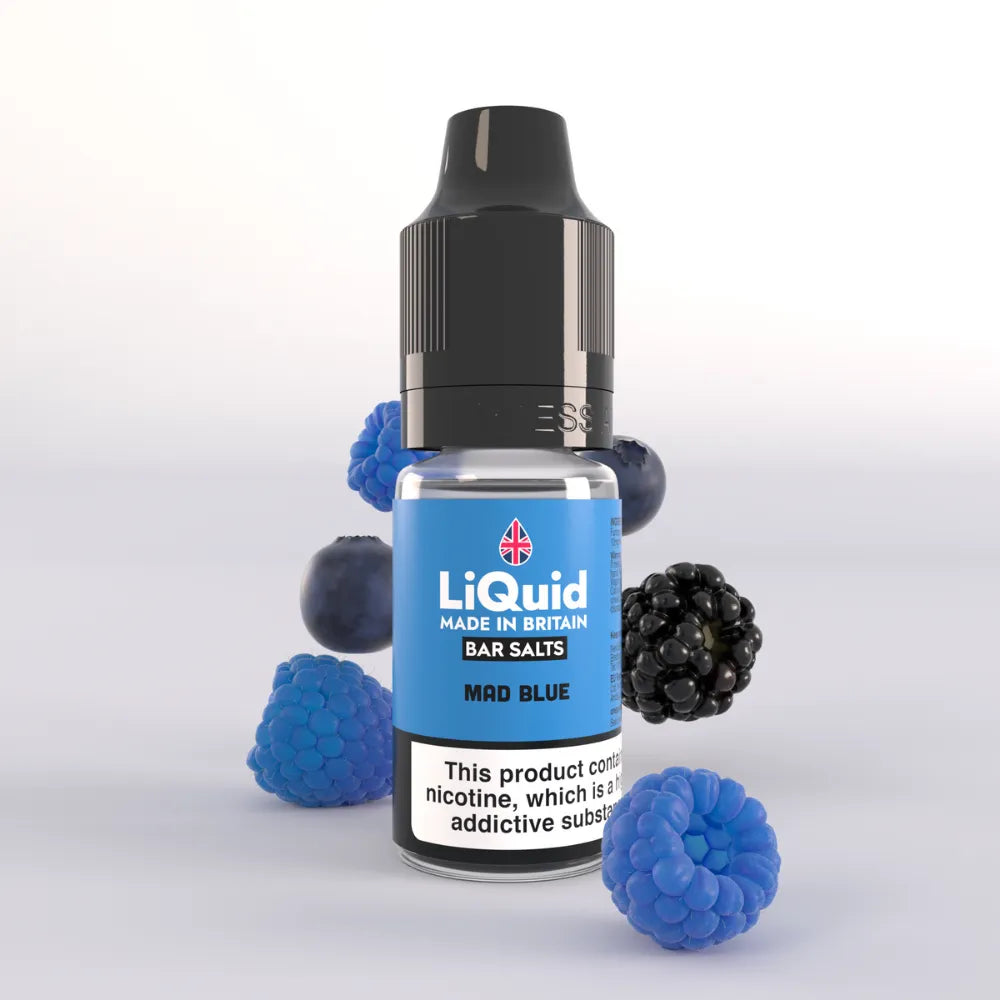
Mad Blue - Nicotine Salt Vape Juice
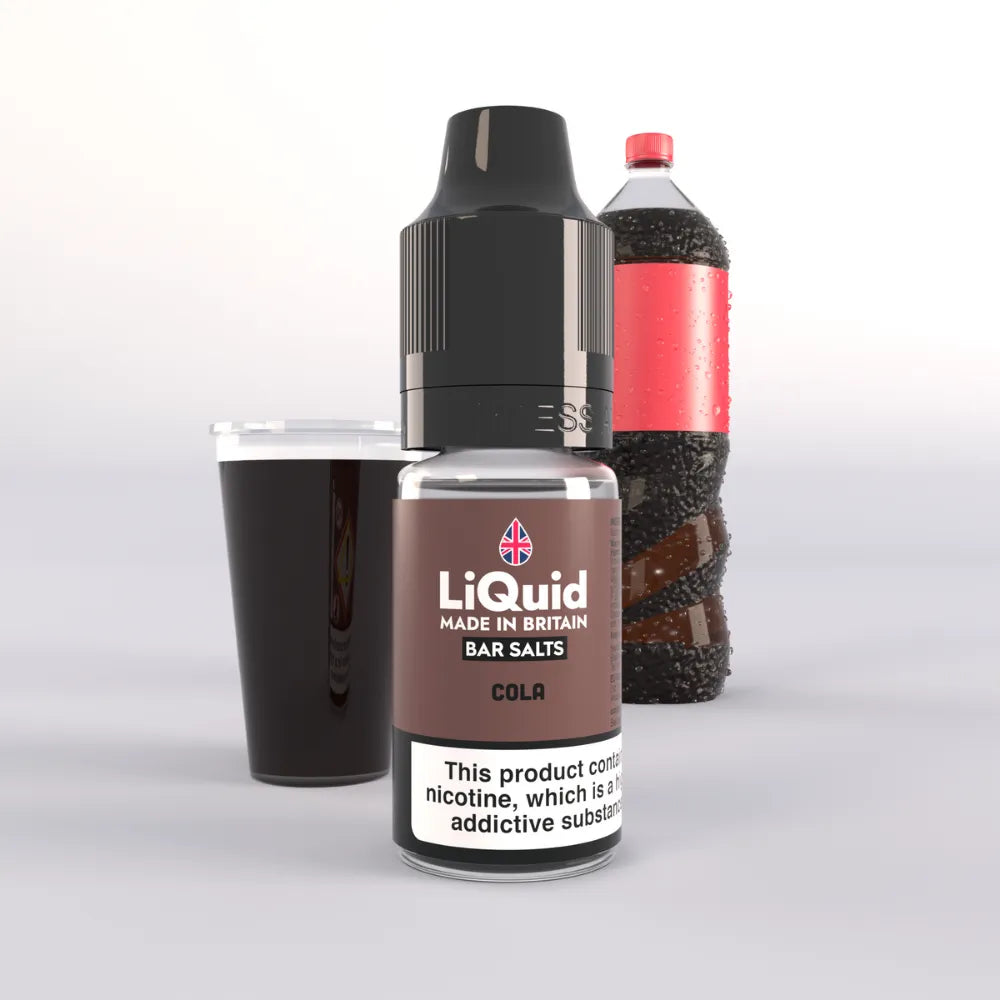
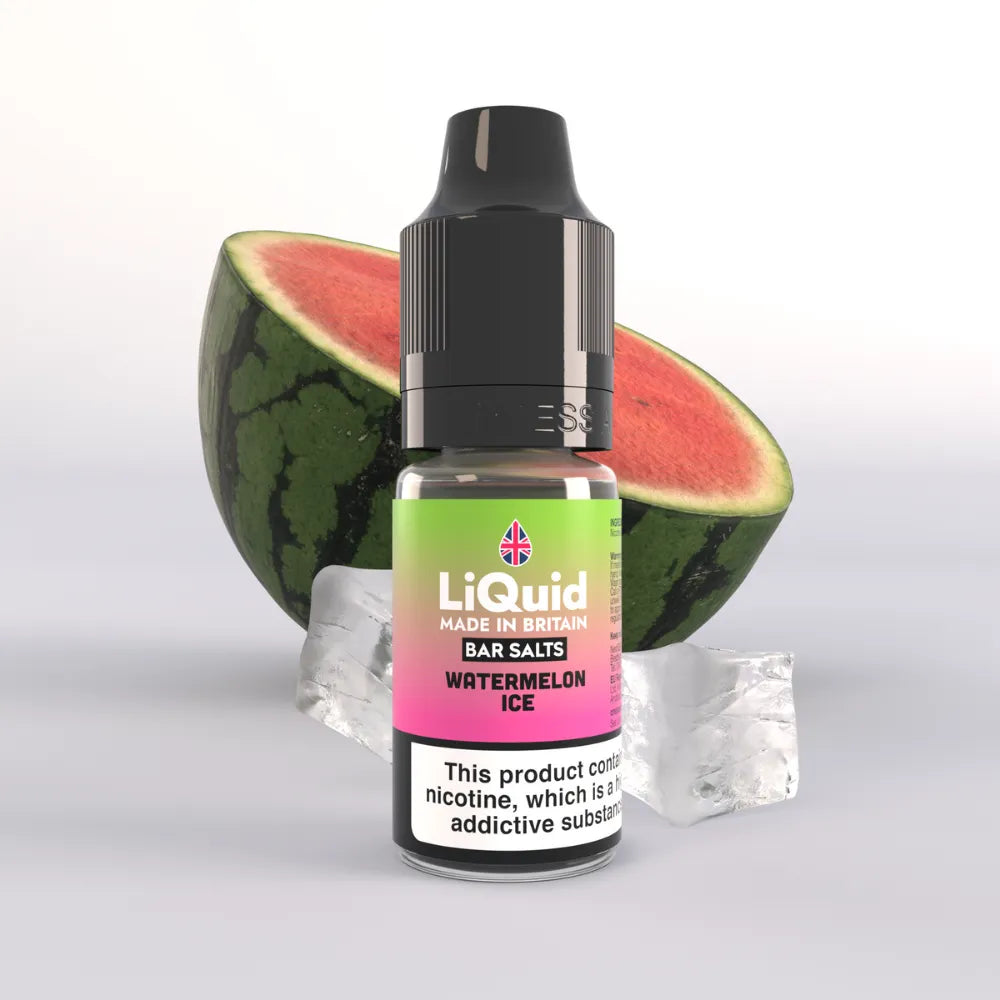
Watermelon Ice - Nicotine Salt Vape Juice
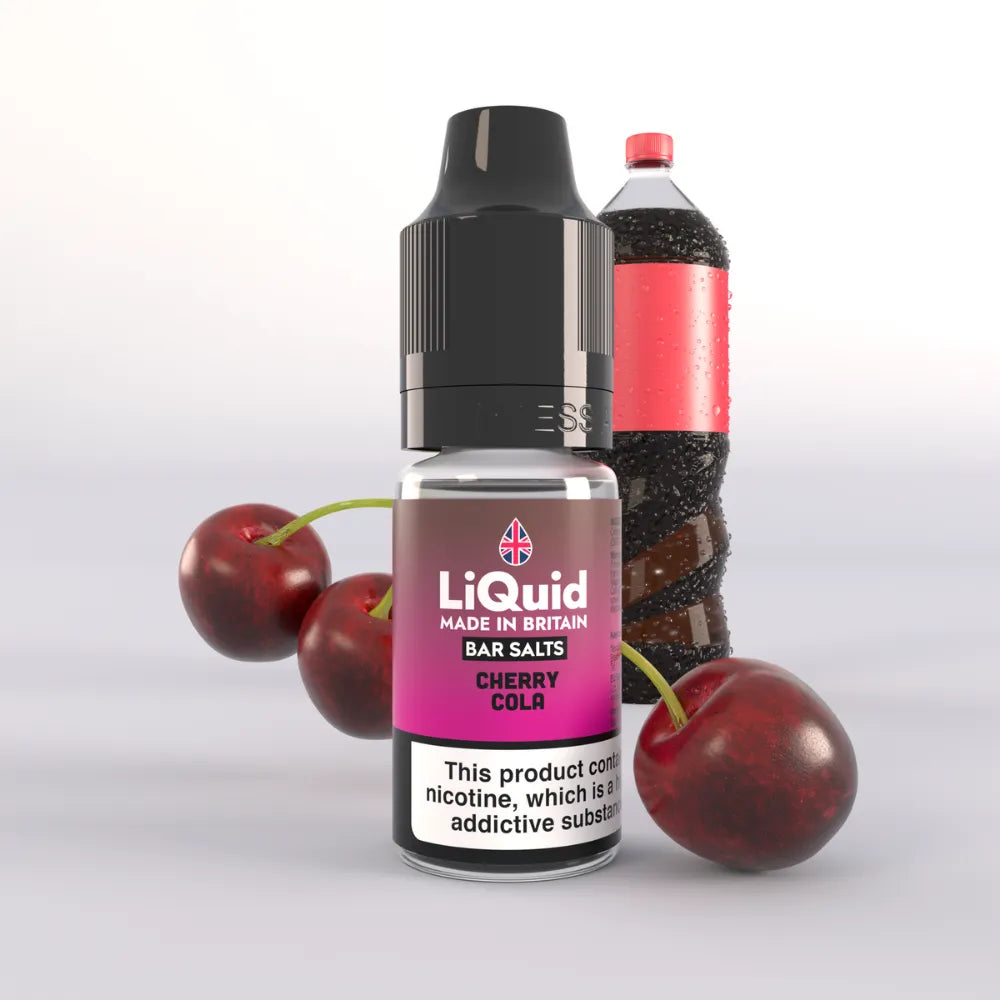
Cherry Cola - Nicotine Salt Vape Juice
If symptoms are severe, last longer than expected, or include chest pain or breathing difficulties, stop vaping and seek medical advice.
About the Author