Understanding Vape Coils: Everything You Need To Know
Vape coils are the beating heart of your e-cigarette; they are the all-important element that heats up your vape juice and turns it into the aerosol we inhale.
They can be a complicated thing to get your head around, and we’ve got plenty of guides in our vape hub to help you explore them in plenty of detail; from troubleshooting guides like "why your vape might be crackling" to care tips like "how to tell when it’s time to swap it for a fresh one".
In this blog, though, we want to give you a one-stop shop overview of all things vape coils, so you can quickly get an idea of which you should be using and why, as well as making sure your choice suits your needs.
What Is A Vape Coil & How Do They Work?
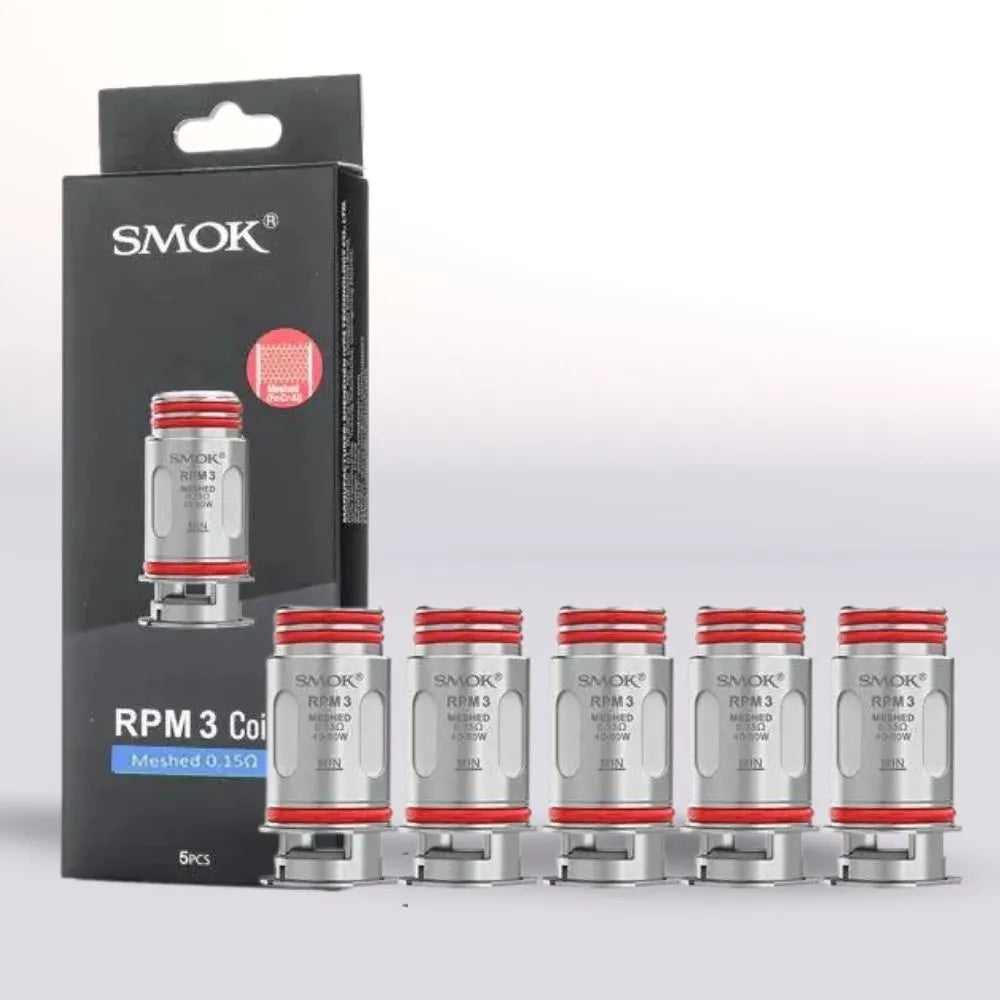
Coils come in many shapes and sizes, however at their core they are a metallic wire, tightly wound around a wicking material like cotton or even bamboo fibre.
Traditional coils using the wire wrap design are becoming less common, with most brands now using the more modern 'mesh' coil design. Mesh coils have a wire mesh screen/sheet wrapped around the wick instead, but function in the exact same way albeit providing more efficient and even heating/cooling for enhanced performance.
An electrical current is passed through the coil from the device battery which heats the coil up and turns the e-liquid, which has soaked into the wicking material, into an aerosol or “vapour” which we then inhale.
Some coils screw into place, others may be push-fit, however, this ultimately will not impact the way they work and is determined by the design of your chosen device – most of which are only compatible with brand-matched coils purpose built for your kit.
In the vaping world, it is the most standard practice to describe the whole thing as a coil, but if you want to get technical, the coil is actually just the wound wire, the little tube this construction is usually contained in with the thread or silicone seals which allow it to be installed into a tank, along with the wicking material is actually called an ‘atomiser head’.
For the sake of simplicity, however we will be describing the whole unit as a coil, as this is more representative of conversations you will likely have on your vaping journey when shopping or seeking advice.
What Is A Vape Coil Made From?
Vape coils (specifically the wire elements that heat up) are made from different metal alloys to achieve different levels of performance – all intended to be specialised for different vaping preferences such as 50-50, nic salt, or high-VG.
For most people, this detail is surplus to requirement as in reality most 9-5 vapers will stick to a device that uses pre-built coils like the Innokin Klypse or Aspire PockeX, available in one or two varieties at most, with no fuss needed over what they are actually made from.
Hobbyist vapers, however, running high-powered sub-ohm kits or rebuildable coils called “RDA or RDTAs” get more value from understanding how their coil wire’s alloy can handle different settings and ohm ratings (we will explain ohms below).
Some of the most common vape coil alloys include:
Kanthal, Nichrome (Nickel-Chrome alloy)
Typically used in standard coils for devices that work to a pre-set power output such as in pod devices.
Titanium, Nickel
Often used in devices that have variable wattage or temperature controls most common amongst sub-ohm devices intended for HVG e-liquid. They require more power to heat but offer the durability needed for fine-tuning your vaping experience even at higher wattage.
Stainless Steel (SS)
SS coils are very multi-functional due to the versatility of stainless steel when handling varying temperatures and power outputs. While not the most refined for tailoring your vaping experience, they are dependable all-rounders.



What Are Ohms?
Coils have a rating given in ohms (a unit of electrical resistance). The ohm rating determines how much power is needed to use the device properly to make the most of your chosen e-liquid.
Contrary to logic - the higher the ohm or resistance rating of a coil, the less power is required to heat it. The coil’s resistance is determined by the diameter and gauge of the wire. The gauge represents the number of times the wire is wrapped to produce the coil. The higher the gauge of the wire, the thinner it is. Higher resistance coils tend to have a higher gauge.
The resistance of your coil will almost always be written on the coil itself or its packaging along with a recommended wattage for you to use as a guide when optimising your experience - straying too far outside these guidelines will impact the lifespan of your coil.
HVG e-liquids are best suited to high-powered devices using sub-ohm coils - this means they will have an ohm rating of 0.9 or below.
50/50 e-liquids are best suited to lower-powered devices running coils with a resistance rating of 1.0ohm or above like the Innokin Endura T18II or the Geekvape Sonder Q2.
How Can I Get The Most From My Vape Coil?
There are a few best practices to note if you want to get the most out of you coil’s lifespan and maximise its performance while you’re vaping:

Use The Right E-Liquid
If a coil has a rating of 0.9ohms or below, it is sub-ohm - you should use HVG vape juice.
If a coil is rated 1.0ohm or above, it should be used with 50-50 vape juice.
1.0ohm+ coils have smaller wicking ports which only thinner 50-50 juice can soak into properly. Thicker juice won't absorb into the wick properly and can cause dry spots, which burn when you vape.
Sub-ohm coils have very large ports designed for thick liquid to soak in, but when used with thinner e-liquid, they can flood.
Many modern pod kits now offer RDTL coils, which have sub-ohm ratings but are designed for 50-50 e-liquid. These are best used with nic salts as they offer enhanced flavour and vapour delivery.

Keep Your Device Topped Up
When the tank or pod gets low on juice, top it up to avoid dry burn – even when there appear to be a few drops left, it does not mean you are safe to keep puffing.
The coil needs to be submerged in liquid to properly absorb and work correctly. If there is only a little drop left in the tank or pod, then there could be dry spots in the wicking material, which will burn when heated.
Be careful not to over-fill however, as this can flood the coil, causing gurgling and leaking.

Prime Your Coil
When loading a brand new coil (this applies to devices with removable coils only), dripping a few drops of e-liquid onto the wicking ports before installing will help prevent dry-burn (new coils are very susceptible to this).
Priming also reduces the time you must wait between that first fill and first puff.
If you are using a pod kit with built-in coils, priming is less practical, so it is best to simply add e-liquid to the pod and wait around 5 minutes to ensure the coil is fully saturated before taking that first puff.
In either case, we also recommend warming the coil up by starting at a lower wattage output and gradually ramping up to your desired power level over the course of several puffs (this only applies if your device has variable wattage features).

Check Your Wattage
Most coils will have a recommended power range embossed on them – check this carefully if your vape kit has variable wattage like the Vaporesso Xros 5, as having it set outside of the safe range could impact your vaping experience.
If it is too high, then the coil will burn. If it is too low, then it won’t heat up properly and will gurgle or flood if you inhale too deeply in an attempt to get a more satisfying hit.
Many modern vape kits have chips in them which set the power to a safe level automatically, making it easier to avoid the issues above. If you are unsure, we have a blog explaining lots of ways to tell if you are using the wrong coil.
Answer Your Vape Coil FAQs With Our Blogs
We have lots of different blogs about vape coils for you to explore. Check out the articles below or search our site to get advice on vape coil use and care, troubleshooting guides, buying advice and more!